
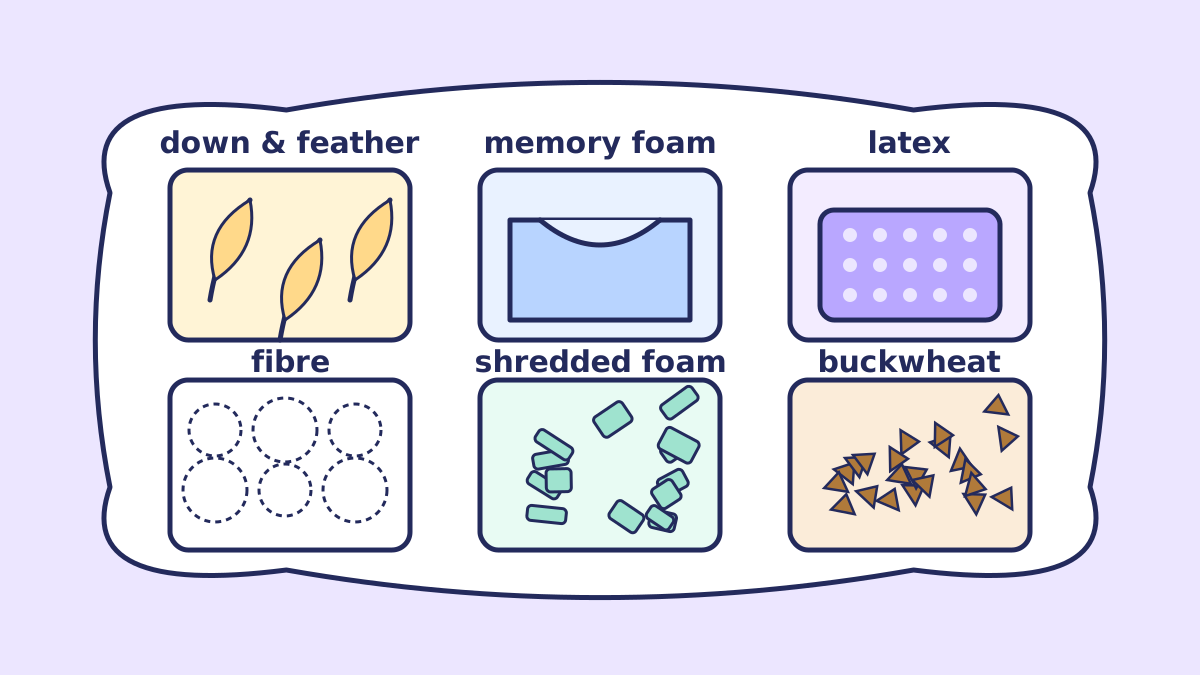
Two pillows can be the same size and price and feel completely different, because the fill does most of the work. It decides how high the pillow sits, how much it squashes, how warm it sleeps, how you wash it and how long it lasts. Once you understand the handful of common fills, labels and product descriptions start to make a lot more sense.
Natural fills: down and feather
Down is the soft under-plumage of ducks and geese: fluffy clusters with no hard quill. A down pillow is light, squashy and mouldable. You can punch it into shape and it will hold roughly where you put it. Down is described by fill power, a measure of how much space a given weight of down fills; a higher number means larger, loftier clusters. Down pillows range from very soft to fairly firm depending on how much is packed in.
Feathers have a flexible quill. They are heavier and firmer than down and give more support for the same size, but the quills can poke through the cover over time and feather pillows may rustle. Many pillows are a blend; the label usually lists the proportion, with the first-named material being the larger share.
Both breathe well and can last for years with care. They need regular fluffing, and some people are sensitive to them. Look for responsible sourcing standards on the label if animal welfare matters to you; certification schemes exist that audit how the down was collected.
Synthetic fibre: the everyday pillow
Most budget and hotel pillows are filled with polyester fibre. It can be loose fibre, small clusters or balls ("microfibre", "cluster fibre", "down alternative"), and quality varies a lot. Good fibre pillows are soft, washable and easy to live with. Cheaper ones clump and flatten within months.
Fibre is a sensible choice if you want something machine-washable, if you avoid animal products, or if you prefer to replace pillows often. Its main weakness is durability: it loses loft faster than most other fills. See our guide to when to replace a pillow for the signs.
Foams: memory foam, shredded foam and latex
Memory foam (viscoelastic polyurethane foam) softens with heat and pressure, slowly moulding to your head and neck and slowly recovering when you move. Solid foam pillows hold a consistent height all night, which suits side and back sleepers who dislike re-fluffing. The trade-offs are warmth (foam traps more heat than loose fills), a noticeable "sinking" feel, and a smell when new that usually fades after airing. Solid foam cannot be machine washed.
Shredded foam is chopped foam, often mixed with fibre, in a zippered cover. Removing or adding fill lets you set the height. It breathes better than a solid block and can be moulded a little, but it needs shaking out regularly.
Latex is made from rubber tree sap, synthetic rubber or a blend. It feels bouncier and more responsive than memory foam: it pushes back straight away instead of sinking slowly. Latex pillows are often pin-cored (small holes through the block) to help airflow and are typically durable. People with a latex allergy should avoid it.
Buckwheat and other speciality fills
Buckwheat hulls are the outer shells of buckwheat seeds. They interlock to hold whatever shape you press them into, allow good airflow, and let you adjust height by removing hulls. They are heavy, firm and make a rustling sound when you move. Fans say they would never go back; others give up after a night. Some buckwheat pillows benefit from being aired in sunlight now and then; the hulls themselves are generally not washed, only the cover.
You will also see wool, kapok (a plant fibre), millet hulls, cotton and gel-infused foams. Each has its own feel and care rules, so read the label carefully and check the manufacturer's instructions before washing.
| Fill | Feel | Warmth | Adjustable? | Usual care |
|---|---|---|---|---|
| Down | Soft, squashy, mouldable | Breathable | By moulding | Often machine-washable on gentle; dry thoroughly |
| Feather | Firmer, supportive, can rustle | Breathable | By moulding | Often machine-washable; dry thoroughly |
| Polyester fibre | Soft to medium; varies with quality | Moderate | No | Usually machine-washable |
| Memory foam (solid) | Slow sinking, contouring | Warmer | No | Spot-clean; wash cover only |
| Shredded foam | Medium, squishy | Moderate | Yes, add or remove fill | Check label; many are cover-wash only |
| Latex | Bouncy, responsive | Moderate | No (unless shredded) | Spot-clean; wash cover only |
| Buckwheat | Firm, heavy, crunchy | Cool | Yes, add or remove hulls | Air the hulls; wash the cover |
Matching fill to how you sleep
- Side sleepers generally do best with fills that hold height: solid or shredded foam, latex, firm feather-and-down, or buckwheat.
- Back sleepers often like something that can be shaped to support the neck: down, buckwheat, contoured foam or latex.
- Stomach sleepers usually want soft fills that compress: soft down, soft fibre, or shredded foam with most of the fill removed.
- Hot sleepers tend to prefer buckwheat, latex, down or shredded fills over solid memory foam. Our hot sleeper guide goes further.
Frequently asked questions
What does "down alternative" mean?
It is a synthetic fill, usually fine polyester fibre or clusters, made to feel soft and lofty like down. It is typically washable and suitable for people who avoid animal products.
Why does my new foam pillow smell?
New foam often has a smell from manufacturing, sometimes called off-gassing. Airing the pillow out of its packaging in a ventilated room for a day or two usually reduces it. If the smell is strong or persists, contact the seller.
Which fill lasts longest?
Well-cared-for latex, good-quality down and buckwheat tend to last longer than polyester fibre. Durability depends heavily on quality and care, so treat any lifespan claim as a rough guide.
Related articles
-
 Fit & sizing
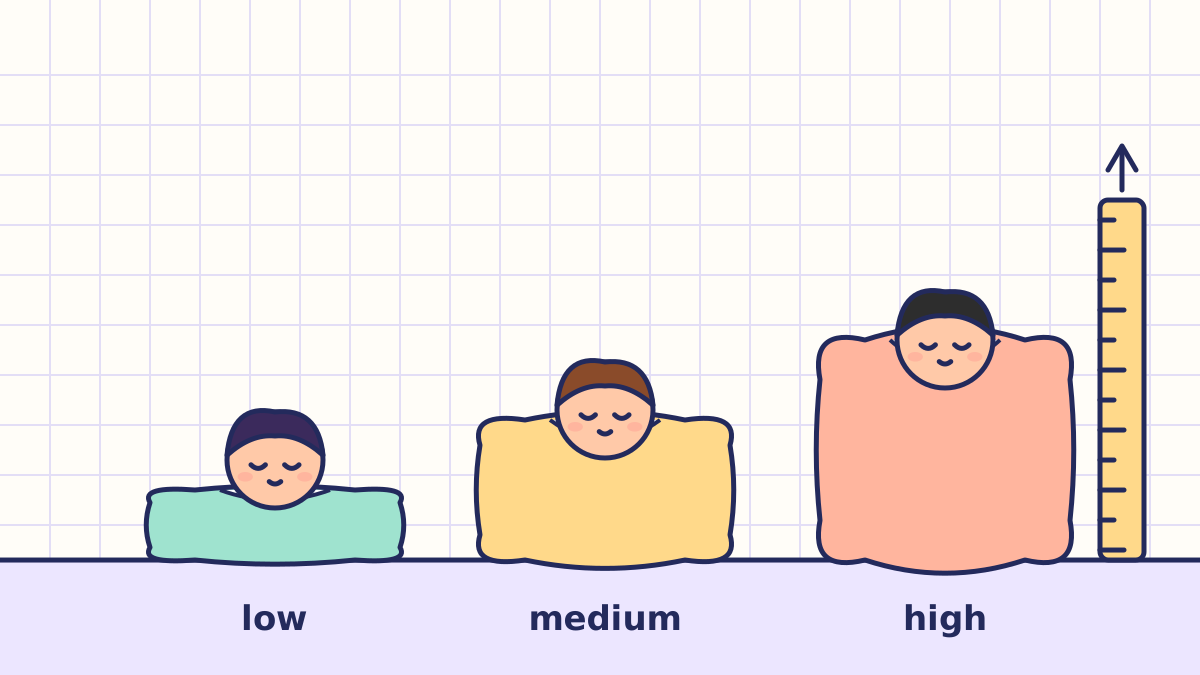
Loft vs firmness: the two numbers that decide how a pillow feels
A tall pillow can still be soft and a thin one can be firm. Understanding the difference saves a lot of bad nights.Read the guide → -
 Temperature
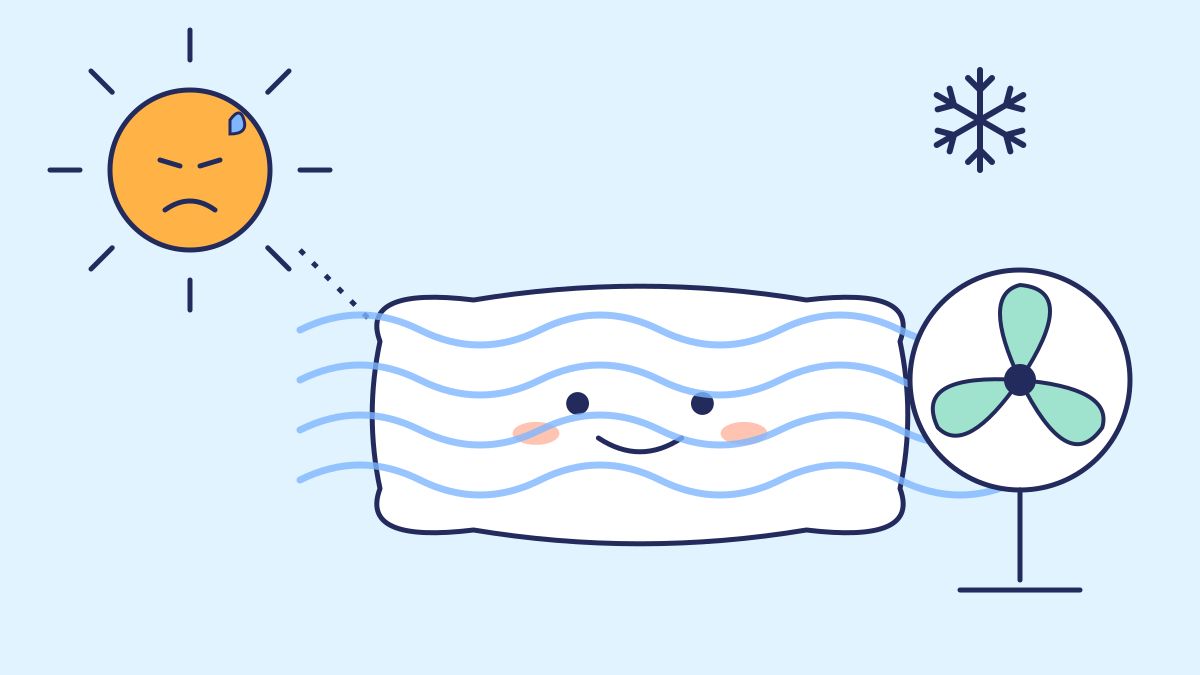
Pillows for hot sleepers: keeping your head cool all night
If you flip your pillow to the cold side every night, this one is for you.Read the guide → -
 Care
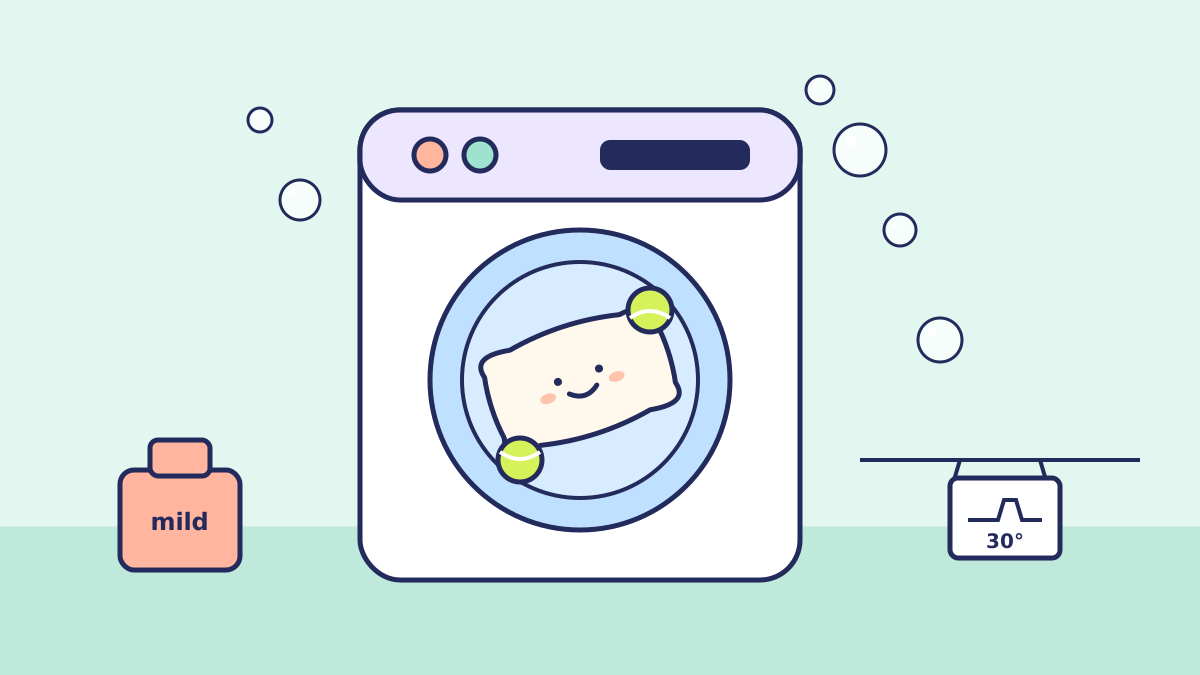
CareHow to wash a pillow (and when not to)
Some pillows love the washing machine. Others fall apart in it. Here is how to tell which is which.Read the guide →