
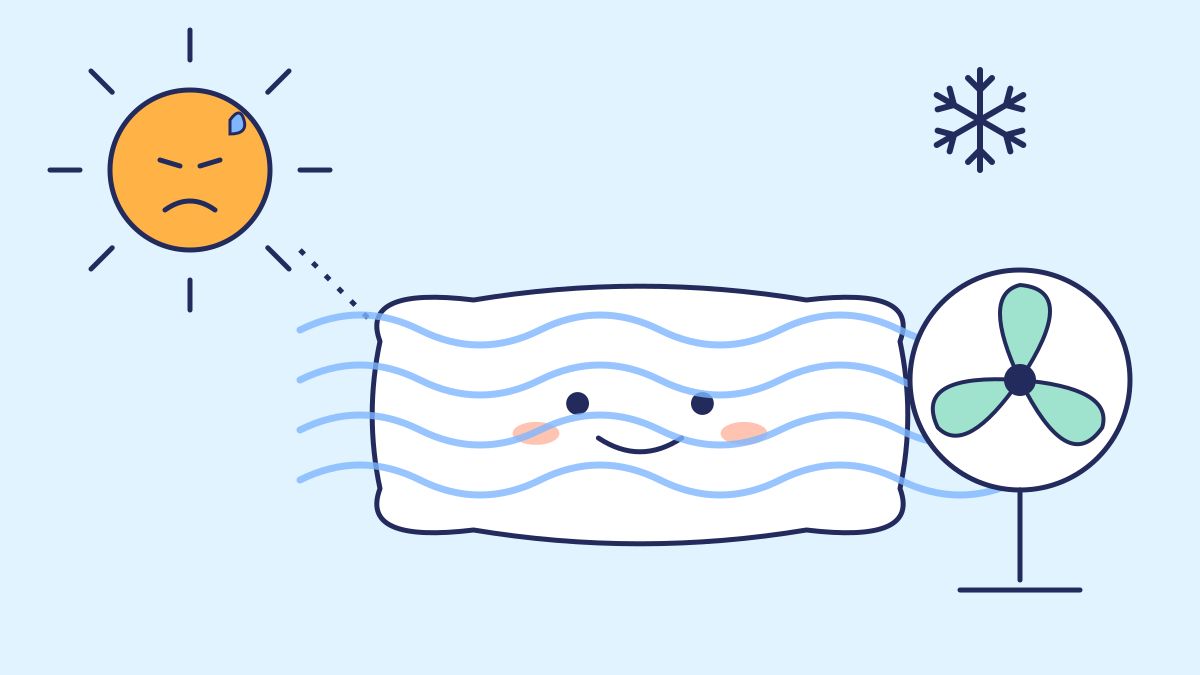
Your head and neck give off a surprising amount of heat, and a pillow sits right there, soaking it up. If you routinely flip your pillow to find the cool side, wake with a damp hairline, or kick the covers off at 2am, the pillow is one of the easiest places to make a difference. The key idea is simple: heat needs somewhere to go.
Why some pillows sleep warm
A pillow warms up because it traps the heat your body gives off and holds it close to your skin. Three things decide how much:
- Airflow. Loose fills with lots of gaps (buckwheat hulls, shredded foam, down) let warm air escape. Solid blocks of dense material do not.
- How much you sink in. The more of your head and face the pillow surrounds, the less skin is exposed to air. Deep-sinking memory foam is the classic example.
- The cover. Tightly woven synthetic fabrics can hold heat and moisture against your skin; breathable natural fabrics let it move.
Fills from warmer to cooler
- Solid memory foamTraps heat, surrounds the head
- Dense polyester fibreCan feel stuffy
- Shredded foamGaps let air through
- Latex (pin-cored)Holes help airflow
- DownLight and breathable
- BuckwheatLots of airflow between hulls
Gel-infused memory foam is common in "cooling" pillows. Gel can make the surface feel cooler to the touch at first, but foam still does not breathe as well as loose fills. How much difference it makes over a whole night varies between products and people.
Cooling covers and "phase change" claims
Many cooling pillows use special covers. Some feel cool to the touch because the fabric draws heat away from the skin quickly; you notice the chill when you first lie down, but the effect fades as the fabric warms to your temperature. Phase-change materials are designed to absorb heat as they warm up, which can slow that warming for a while.
These can help, but treat big claims cautiously. A cover cannot make a heat-trapping fill breathable. If a pillow is marketed on cooling, look for a sensible return or exchange window so you can judge it over real nights.
For pillowcases, breathable options that many hot sleepers like include:
- Cotton percale: a crisp, matte weave that feels cool and breathable.
- Linen: very breathable and gets softer with washing; feels a little textured.
- Lyocell or bamboo-derived viscose: smooth and good at moving moisture.
- Silk: smooth and does not grip hair, though opinions differ on how cool it feels.
Cotton sateen is softer and silkier than percale but has a denser weave, so some people find it a little warmer.
Beyond the pillow: other ways to cool down
- Cool the room. A cool bedroom is one of the most widely recommended conditions for good sleep. Open a window if it is safe and quiet, or use a fan or air conditioning.
- Use a fan for airflow over the bed. Moving air helps sweat evaporate even if it does not lower the room temperature much.
- Layer bedding. Several thin layers let you shed one at a time instead of choosing between a heavy duvet and nothing.
- Take a warm shower before bed. It sounds backwards, but warming the skin then stepping out lets body heat drain away, which many people find helps them feel sleepy.
- Keep a spare pillowcase in a cool drawer, or two pillows you can swap between.
- Watch late alcohol and heavy meals, which can leave some people feeling warmer and more restless. See our sleep habits guide.
Night sweats that soak your bedding, especially alongside other symptoms, are worth mentioning to a doctor; they can have medical causes that no pillow will fix.
Keeping a cool pillow fresh
Hot sleepers sweat more into their bedding, so pillows and cases need washing more often. A breathable, washable protector keeps sweat out of the fill without adding much warmth; avoid thick plastic-backed protectors unless you need a waterproof layer. Follow the fill-specific instructions in our pillow washing guide.
Frequently asked questions
Do cooling pillows really work?
Some features, such as breathable fills and covers, genuinely help heat escape. Surface-cool fabrics feel cool at first and warm up with time. Choose on fill and breathability first, and treat "cooling" labels as a secondary feature.
Is latex cooler than memory foam?
Generally, yes. Latex is more responsive so you sink in less, and pin-cored latex has holes that help airflow. Individual products vary.
Can I put my pillow in the freezer?
Some people put a pillowcase in the fridge or freezer for a few minutes for a cold start. Putting the pillow itself in is not recommended: condensation as it warms can leave the fill damp.
Related articles
-
 Materials
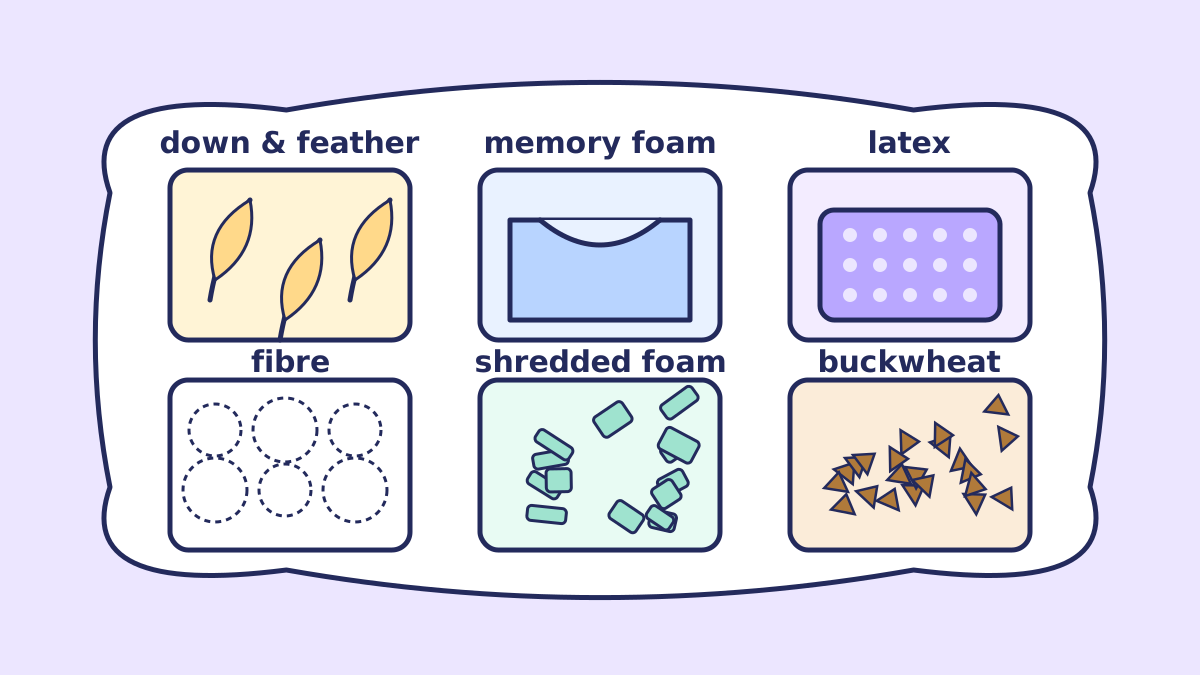
Pillow fills explained: down, feather, foam, latex, fibre and buckwheat
What is actually inside a pillow, and how each fill feels, sleeps and ages.Read the guide → -
 Sleep habits
Sleep hygiene basics: small habits that make a pillow's job easier
Even the perfect pillow cannot fix a 1am phone scroll. The everyday habits that support better sleep.Read the guide → -
 Care
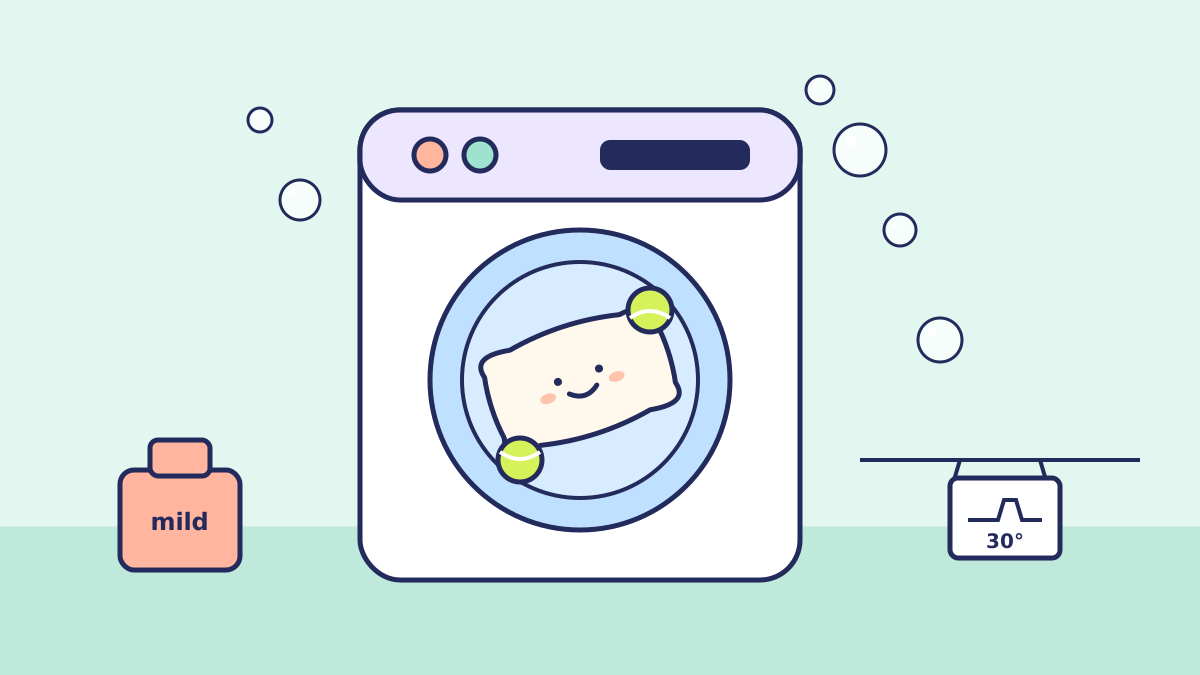
CareHow to wash a pillow (and when not to)
Some pillows love the washing machine. Others fall apart in it. Here is how to tell which is which.Read the guide →