
Home / Articles / Combination sleeping
Combination sleepers: one pillow for a night of rolling around
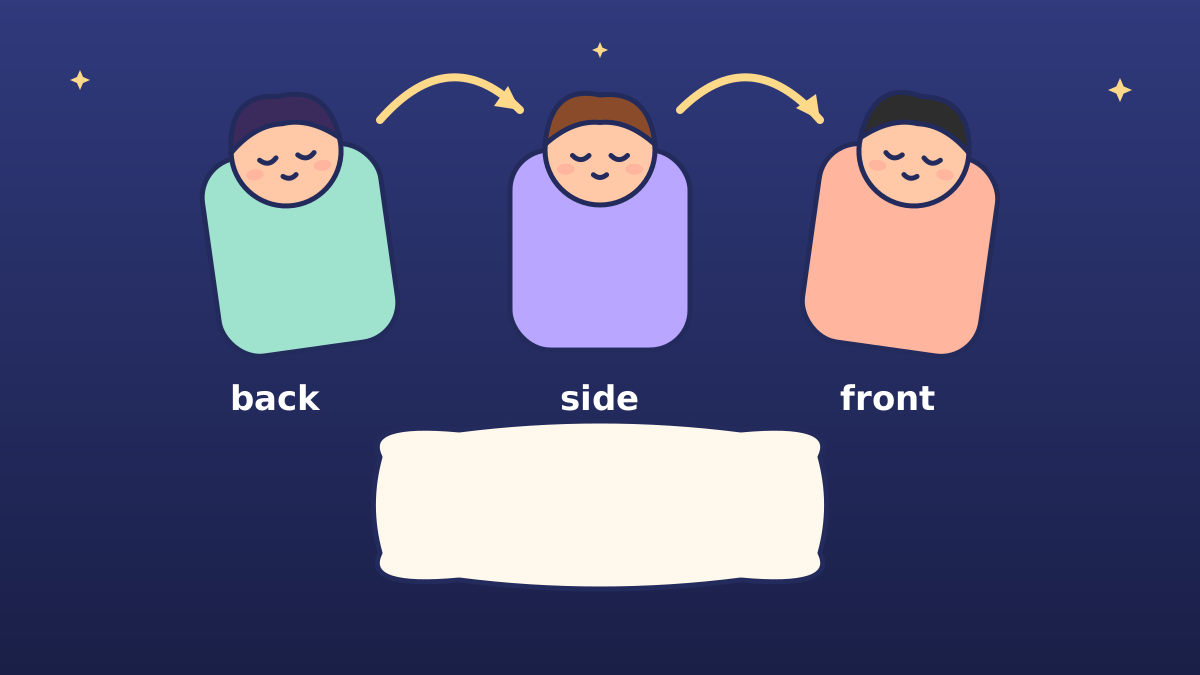
Most people do not hold one position all night. You might drop off on your back, roll to your side, and wake with an arm flung over your face. A pillow designed for one position will be wrong for part of the night, so combination sleepers have to find something that compromises well. The good news: a few specific features make switching much easier.
First, work out where you really spend the night
How you fall asleep and how you wake up are not always how you spend the hours in between. Before choosing a pillow, spend a week noticing a few things:
- What position are you in when you first wake up, and on which side?
- If you wake in the night, what position are you in then?
- Does a partner notice you in a particular position most of the time?
- Which side of your face has crease marks in the morning, if any?
- Where do you tend to feel stiffness: one side of the neck, the back of the neck, or the lower back?
Some people use a sleep-tracking app or a phone video for a night to check. Most find there is a main position that takes up the majority of the night and a secondary one. Buy mainly for the main position, then make sure the pillow does not fight the secondary one.
Features that make switching easier
A combination sleeper's pillow has to change height depending on which way the head is facing. That sounds impossible, but several designs manage it reasonably well.
| Feature | How it helps | Watch out for |
|---|---|---|
| Adjustable fill (shredded foam, latex, fibre clusters) | You can set a medium height that works on your side and your back | Needs fluffing; getting the amount right takes a few nights |
| Responsive materials (latex, some fibre blends) | Springs back quickly when you move, so there is no dent to fight | Can feel bouncy to people used to down |
| Contoured or dual-height shapes | A higher edge for side sleeping, a lower one for back sleeping | Only works if you move to the right edge when you turn |
| Mouldable fills (down, buckwheat) | You can push fill under the neck or away from the face | You have to reshape it each time you move |
| Slow memory foam | Holds a steady height | Slow to recover, so turning over can feel like climbing out of a dip |
Finding the compromise height
If you switch between side and back, you need something a bit lower than a dedicated side sleeper would use and a bit higher than a pure back sleeper. A useful approach is to set the height for your side and then check your back. Lying on your back, your face should still point roughly at the ceiling. If your chin is pushed down, reduce the height until both positions feel acceptable.
If you switch between side and stomach, the compromise is harder, because those two positions want opposite things. Many people in this group find a softer, mouldable pillow easiest: they bunch it up when on their side and flatten or push it away when on their front. Others use a thin pillow for the head and hug a body pillow to support the side position.
For a clearer picture of what each position needs on its own, see the guides for side, back and stomach sleepers.
Surface and size matter more than you might think
Rolling over on a pillow that grips, rustles or holds heat can be enough to wake you up. Combination sleepers tend to be happiest with:
- A smooth, breathable cover. Cotton percale, sateen or a similar smooth weave lets your head slide rather than drag.
- Quiet fills. Buckwheat is supportive but crunches with every turn. That suits some people and bothers others.
- A slightly longer pillow. A queen or king-length pillow gives you room to shift without ending up on the thin edge.
- Quick recovery. If you lift your head and the dent is still there a minute later, turning over will feel like fighting the pillow.
Sleeping with two pillows on purpose
Some combination sleepers keep two different pillows: a taller one for side sleeping and a lower one for back sleeping, side by side on the bed. When they turn, they shift onto the other pillow. It sounds fussy, but for people who spend long stretches in each position it can be simpler than hunting for one perfect compromise. The downside is that it takes up space, which may not suit a shared bed.
Frequently asked questions
Is it normal to change position so often?
Yes. Moving during sleep is normal and helps relieve pressure on any one part of the body. Most people shift position many times a night without remembering it.
What is the single safest choice for a combination sleeper?
There is no universal answer, but an adjustable medium-loft pillow is a sensible starting point because you can tune it once you know how you actually sleep.
How long should I try a new pillow before deciding?
Give it at least one to two weeks unless it is causing real pain. Our guide to trying a new pillow suggests a simple way to keep track.
Related articles
-
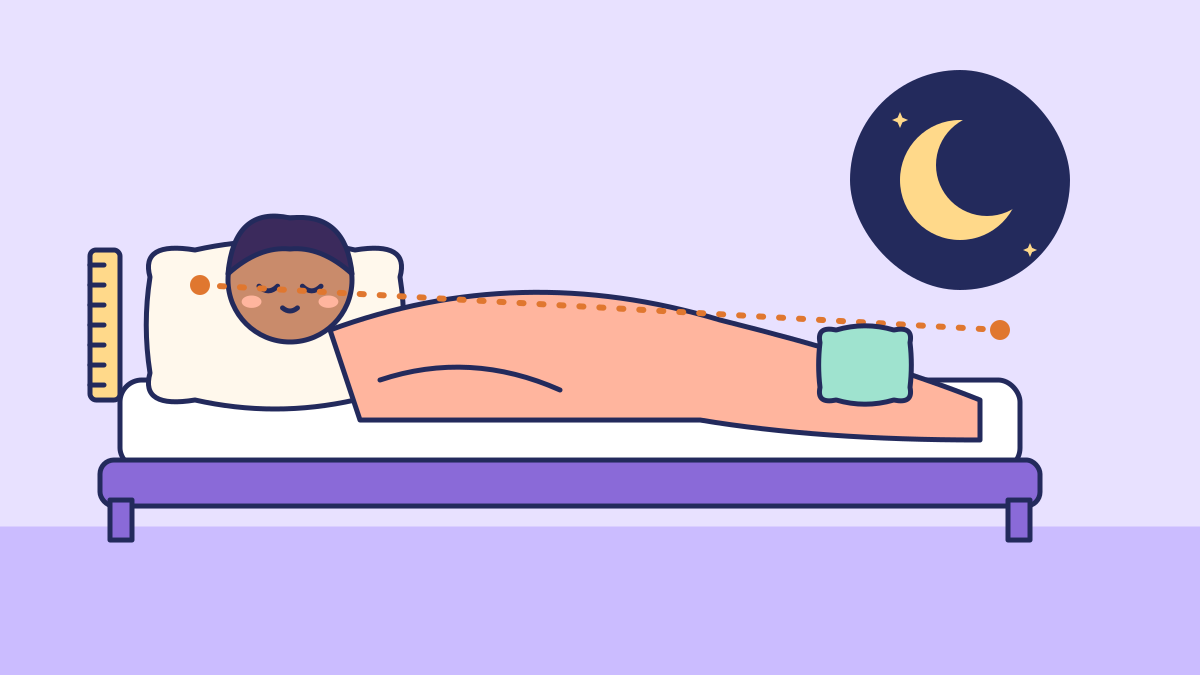 Side sleeping
The side sleeper's pillow guide: filling the gap between ear and mattress
Side sleepers need the tallest, most supportive pillow of anyone. Here is how to work out how tall.Read the guide → -
 Back sleeping
Back sleepers: finding a pillow that supports your neck without pushing your chin down
Back sleepers need less height than side sleepers, but more shape. The trick is supporting the neck curve.Read the guide → -
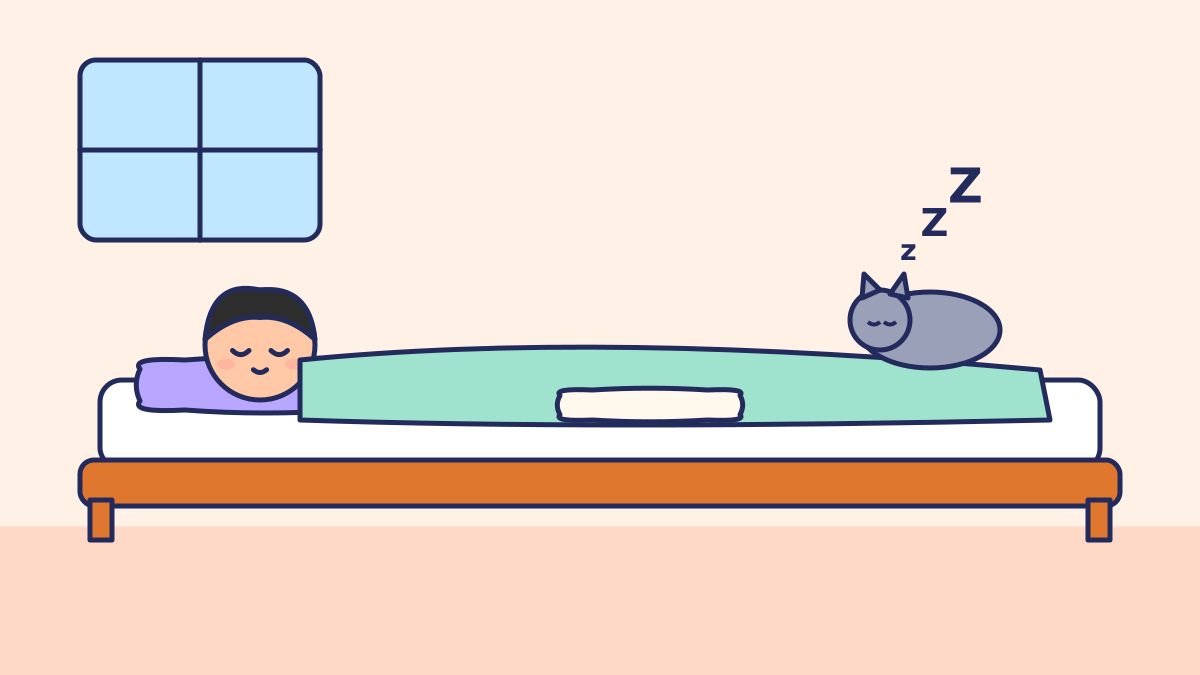 Stomach sleeping
Stomach sleepers: why thinner is usually better
Front sleepers need the thinnest, softest pillow of all — and sometimes a second one under the hips.Read the guide →